Shapes of Joyance Mystical
The character of Cassandra has interested and inspired many artists, particularly women. I am adding myself to the great tradition. Cassandra is an archetype that calls to those feeling silenced, and unheard. Her story reminds us of the times we are not believed; when we have had a feeling or intuition and are told to squelch it. I am most interested in the tale of Cassandra as an access point to the reconstructive necessity of despair.
In the play, The Trojan Women, by Euripides, the character of Cassandra is brought before her mother, Hecuba, in the midst of the downfall of Troy. Cassandra, a devoted priestess of Apollo, was gifted with the power of prophesy, and then cursed to never be believed. She has seen the futures of the outcome of the war, and her fate as a concubine of Agamemnon; she has seen her dead brother's body, and has been raped and captured by warriors of Greece. In the moment of speaking to her mother for the last time, she removes the physical adornments of her priesthood. She has already endured so much and knows she will yet endure death by the side of a man whose armies have slaughtered her fellow Trojans. These last vestiges of hope and dedication she will not allow the Greeks to remove from her. She puts them aside herself at the height of her grief.
This tragedy is told through the lens of the women doomed to endure the war. They live through the subsequent enslavement of their sisters, mothers, and daughters. The safety and comfort of home is wrenched away from them. For Cassandra, this feeling of helplessness is nothing new. I wonder at the strength - the madness - it takes to see, and to speak, knowing you will be ignored. I think about her bravery. For there is something immeasurably brave in admitting to the loss of hope. To recognizing your circumstances for what they are and not sugar-coating reality. To putting aside what is most holy and precious to you in your greatest hour of torment.
I think about hope - inextricably tied to the hope there is despair. I haven’t figured out how to comfortably allow it all to exist simultaneously. This is where despair becomes a catalyst. There are times when enduring your current state becomes impossible. The only way to survive is to change. This is not adaptation, this is metamorphosis. This change that grief and despair inspire is total, a completely new body of cells, type of total. I don’t know if it is an experience we all need to have, or have whether we like it or not. It cannot be manufactured. It is hard to watch happen from both within and without. It goes against all of the stubbornness of our instinctual need to survive and our Disneyfied moral systems of justice and right.
I suppose I am saying that in the vast and potent world of storytelling - tragedies are important. To not have a light at the end of the tunnel, is just as human as having hope.
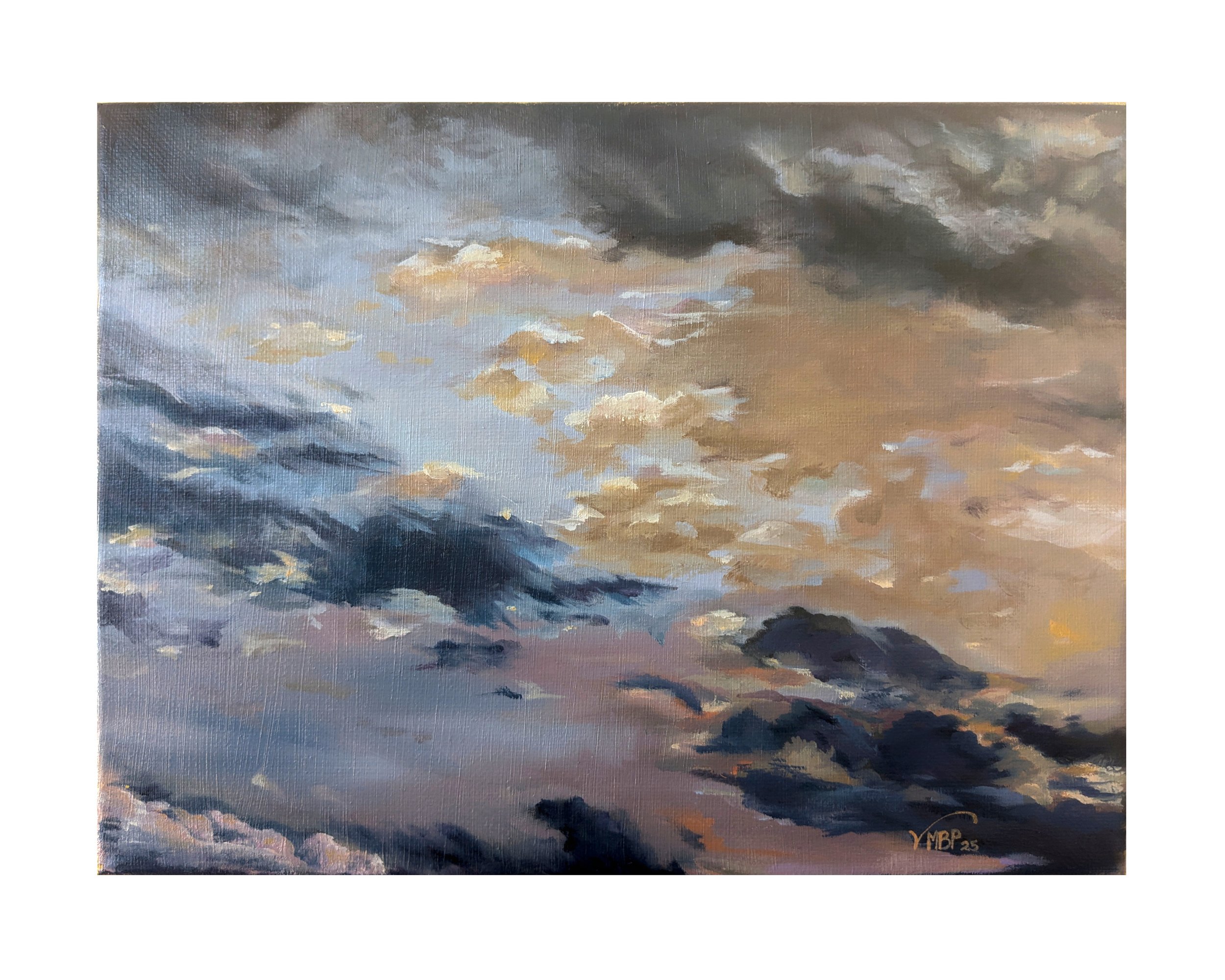
“O, ye wreaths!
Ye garlands of my God, whose love yet breathes
About me; shapes of joyance mystical;
Begone! I have forgot the festival,
Forgot the joy. Begone! I tear ye, so,
From off me! . . . Out on the swift winds they go.
With flesh still clean I give them back to thee,
Still white, O God, O light that leadest me!
[Turning upon the Herald.]
Where lies the galley? Whither shall I tread?
See that your watch be set, your sail be spread.
The wind comes quick! . . . Three Powers--marks me thou!--
There be in Hell, and one walks with thee now!
Mother, farewell, and weep not! O my sweet
City, my earth-clad brethren, and thou great
Sire that begat us; but a space, ye Dead,
And I am with you: yea, with crowned head
I come, and shining from the fires that feed
On these that slay us now, and all their seed!”
